


Real World Asset Tokenization with Secure Smart Contracts
Share:
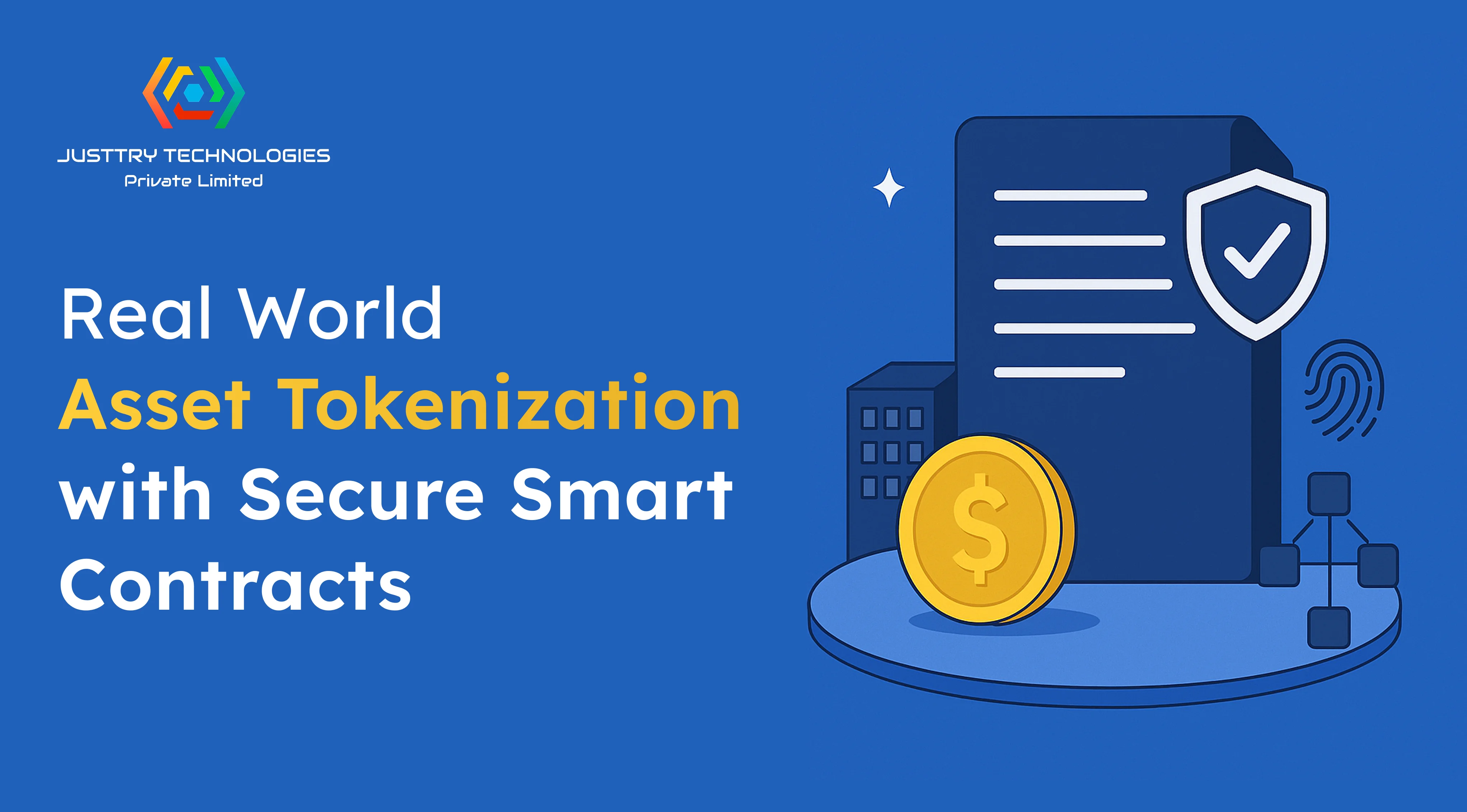
The tokenization of real-world assets (RWAs) has emerged as a transformative force in the financial market. In just three years, the RWA tokenization market has experienced a remarkable 380% growth, reaching $24 billion in 2025. This surge underscores the increasing adoption of blockchain technology by traditional financial institutions seeking enhanced efficiency and transparency. Token Development Services are at the forefront of this transformation, enabling businesses to create secure, compliant, and scalable digital assets.
According to McKinsey, the tokenized asset market is projected to reach $2 trillion by 2030, highlighting the sector's potential for substantial expansion. In this article, we’ll explore how tokenization, supported by robust Token Development Services, is reshaping financial markets, driving investment opportunities, and empowering enterprises to thrive in the digital economy.
What is Tokenization of Real-World Assets
Tokenization involves converting ownership rights of physical assets, such as real estate, commodities, or fine art, into digital tokens on a blockchain. These tokens represent a share of the underlying asset, enabling secure, transparent, and efficient transactions without the need for intermediaries. By digitizing assets, tokenization facilitates fractional ownership, broadening access to investment opportunities.
Smart Contracts and Oracles: RWA Security Backbone
Smart contracts are self-executing contracts with the terms of the agreement directly written into code. They automatically enforce and execute the terms when predefined conditions are met, reducing the need for intermediaries and enhancing transaction efficiency. In the context of RWAs, smart contracts facilitate seamless and secure asset transfers, ensuring compliance and reducing operational costs.
Oracles play a crucial role by providing real-world data to smart contracts. They act as bridges between the blockchain and external data sources, ensuring that smart contracts execute based on accurate and up-to-date information. This integration is vital for the accurate valuation and management of tokenized assets.
Fractional Ownership: Unlocking Investment Flexibility
Fractional ownership allows investors to own a portion of a high-value asset, such as a luxury property or a rare collectible, by holding digital tokens representing their share. This model democratizes access to investments that were traditionally reserved for affluent individuals or institutions. By lowering the entry barriers, fractional ownership opens up diverse investment opportunities, enabling a broader range of investors to participate in markets previously out of reach.
Market Insights and Competitive Landscape
The RWA tokenization market is experiencing rapid growth, with significant interest from both institutional and retail investors. Key players in the ecosystem include custodians, wallet providers, and distributors, all contributing to the development of a robust infrastructure for tokenized assets.
Regulatory clarity is becoming increasingly important as governments and financial authorities recognize the potential of tokenization. For instance, the Reserve Bank of India has initiated a pilot program for the tokenization of certificates of deposit, aiming to modernize and secure financial markets using blockchain technology.
Implementing Secure Tokenization Strategies
To safeguard tokenized assets, enterprises must adopt comprehensive tokenization strategies that combine legal, technological, and operational measures. Key considerations encompass establishing clear ownership frameworks and leveraging advanced blockchain protocols to prevent fraud and unauthorized access.
Legal Structuring: Establishing clear legal frameworks to define ownership rights and obligations.
Custody Solutions: Utilizing secure digital custody services to protect tokenized assets.
Compliance Measures: Adhering to regulatory requirements to ensure the legitimacy and security of tokenized assets.
Challenges and Considerations
Despite the immense potential of real-world asset (RWA) tokenization, the sector faces notable challenges. . These include ensuring investor trust, maintaining accurate asset valuations, managing legal and regulatory compliance across jurisdictions, addressing liquidity concerns.
Market Volatility: Fluctuations in asset values can impact the stability of tokenized investments.
Security and Privacy: Ensuring the protection of digital assets against cyber threats is paramount.
Regulatory Uncertainty: The evolving regulatory landscape can create complexities in compliance.
Interoperability: Integrating different blockchain networks and legacy systems can be technically challenging.
Future Trends
Integration with AI and Machine Learning
Artificial intelligence (AI) and machine learning (ML) are transforming tokenized asset markets. These technologies enable precise asset valuation by examining historical data, market trends, and predictive signals. They strengthen security by detecting suspicious or unusual transactions instantly, reducing the risk of fraud. Additionally, AI and ML streamline due diligence and compliance processes that normally demand extensive manual work. Companies integrating these advanced tools into their tokenization strategies benefit from increased operational efficiency, smarter decision-making, faster processing, and minimized risk exposure, positioning them to maximize returns and maintain a competitive edge in evolving digital asset markets.
Cross-Chain Interoperability
As the blockchain ecosystem expands, cross-chain interoperability becomes crucial. Enabling different blockchain networks to communicate and share data seamlessly will enhance the flexibility and scalability of tokenized assets.
RegTech Integration
Regulatory Technology (RegTech) solutions are being integrated into RWA tokenization platforms to ensure compliance with evolving regulations. These tools help automate compliance processes, reducing the risk of human error and enhancing the overall security of tokenized assets.
Expansion of Asset Classes
The range of assets eligible for tokenization is expanding beyond traditional categories. Emerging sectors such as carbon credits, intellectual property, and even future income streams are being explored for tokenization, offering new investment avenues.
End Of The Word
For enterprises exploring innovative investment approaches, tokenizing real-world assets provides access to scalable, secure, and liquid markets. Utilizing smart contracts, oracles, fractional ownership, and security tokens, businesses can unlock value while ensuring compliance and operational efficiency. Adopting RWA tokenization positions enterprises at the forefront of the digital financial revolution, aligning their strategies with the rapidly evolving decentralized economy and unlocking global investment opportunities.
At Justtry Technologies, our Token Development enables enterprises to implement secure and scalable tokenization strategies. With a combination of blockchain expertise, market insights, and regulatory knowledge, we deliver solutions that empower organizations to excel in the digital investment era. Contact Justtry Technologies Experts!!
Frequently Asked Questions
Get in Touch
We're available to assist and address any inquiries you may have. We eagerly anticipate receiving your communication.